

Selecting an appropriate electric ball valve is vital for optimizing HVAC system efficiency, reliability, and control precision. Here are key factors to consider:
1. Size and Flow Capacity
Match the valve size to the HVAC pipeline diameter (e.g., ½” to 4”) to avoid flow restrictions or excessive pressure drops. Calculate the required flow coefficient (Cv) based on system flow rates and pressure differentials—undersized valves can cause inefficiencies, while oversized ones may lead to poor control accuracy.
2. Material Compatibility
Valve bodies and internal components must resist corrosion from HVAC fluids (water, glycol mixtures, or refrigerants). For water-based systems, brass or cast iron is cost-effective and durable. For corrosive coolants, opt for stainless steel. Seals should use EPDM or Viton to ensure tight shut-off and compatibility with system fluids.
3. Actuator Type and Control
Choose between on/off actuators for simple open/close operations (e.g., zone isolation) and modulating actuators for precise flow adjustment (e.g., temperature regulation). Modulating valves, with 0–10V or 4–20mA control signals, offer finer tuning for variable air or water flow systems. Ensure the actuator’s torque rating matches the valve size to avoid jamming.
4. Pressure and Temperature Ratings
Check the valve’s maximum working pressure (typically 150–300 PSI) and temperature range (-30°F to 70°F for most HVAC applications) to suit system conditions. High-temperature systems (e.g., hydronic heating) may require valves with heat-resistant seals and bodies.
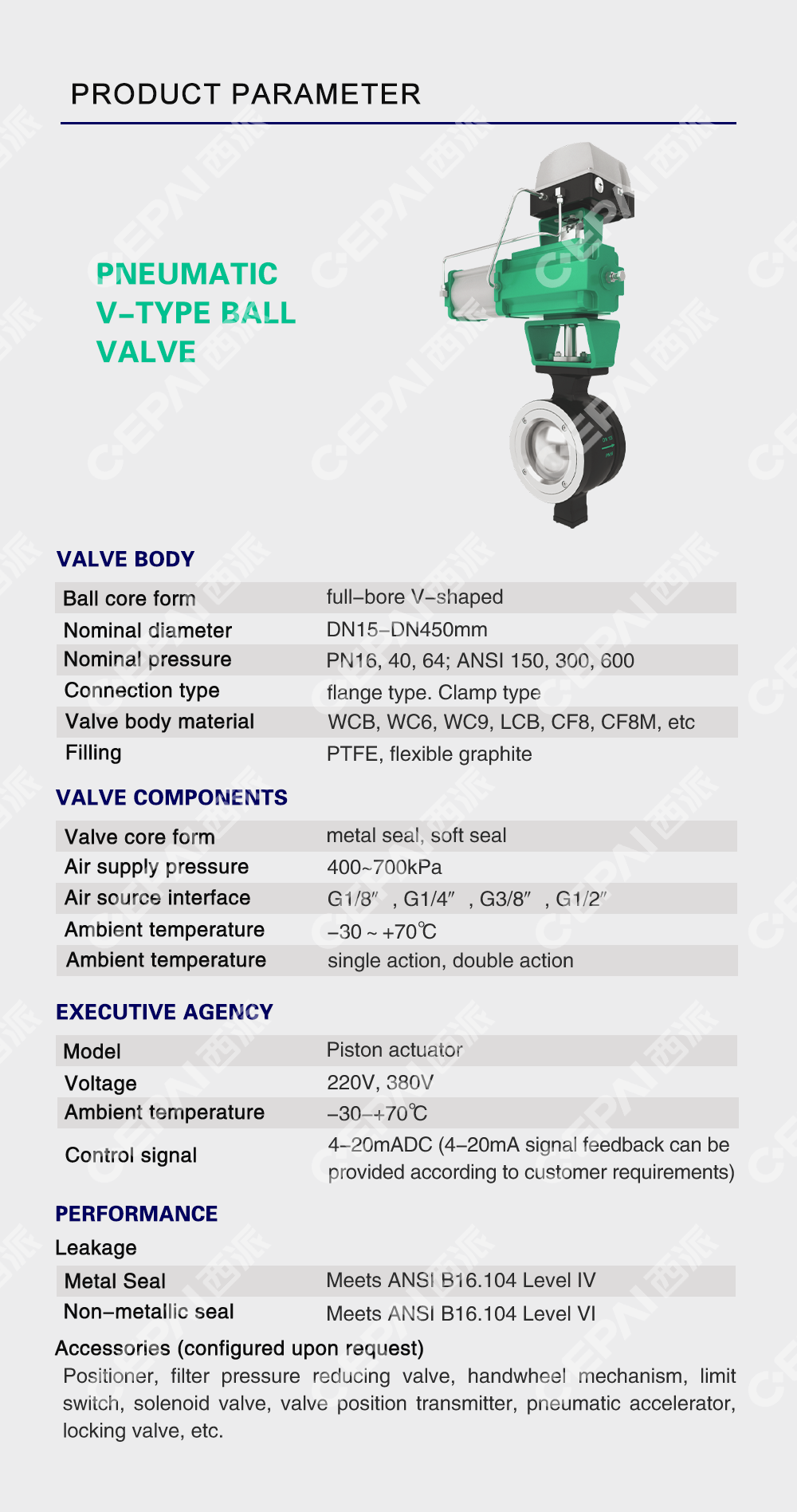
5. Reliability and Installation
Prioritize valves with durable electric actuators (IP65/IP67 ratings for moisture resistance) to withstand HVAC environments. Look for features like manual override for emergency operation and easy mounting (flanged or threaded connections) to simplify installation and maintenance.
By focusing on size, materials, control type, and operational ratings, you can select an electric ball valve that enhances HVAC system performance and reduces long-term maintenance costs.