

An eccentric rotary valve, also known as an eccentric plug valve or rotary control valve, is a specialized flow control device designed to balance precision, durability, and efficiency in industrial processes. Its unique eccentric design sets it apart from conventional valves, making it ideal for applications requiring tight sealing, low torque operation, and reliable performance in challenging environments.
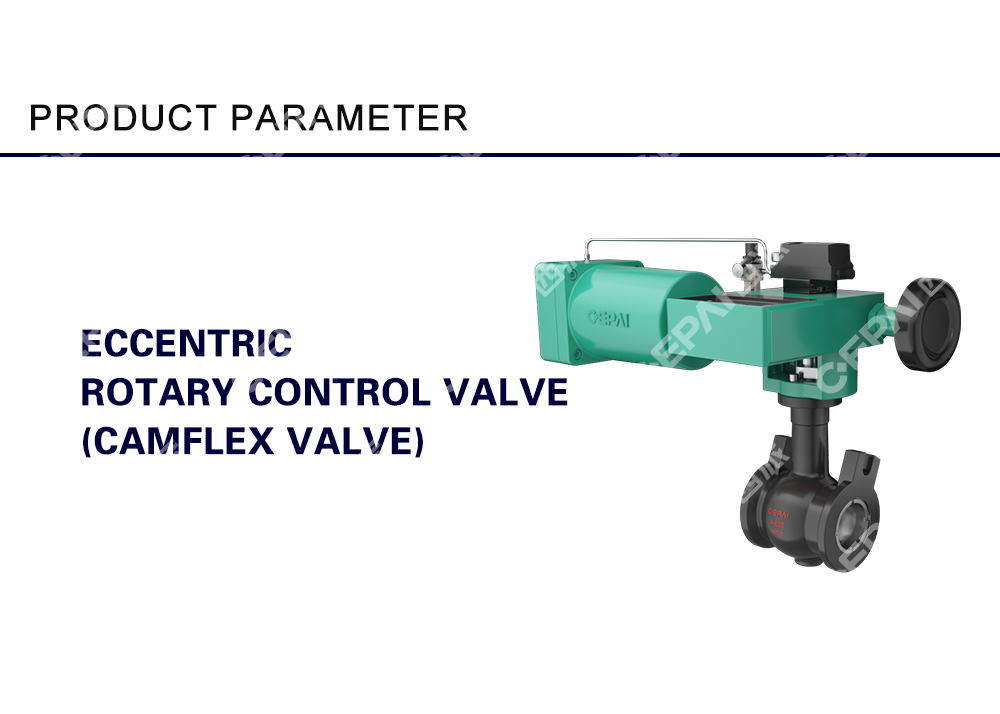
1. Design Fundamentals: The Eccentric Principle
The defining feature of an eccentric rotary valve is the offset (eccentric) alignment between the valve shaft and the plug (or disc) centerline. This design creates two key advantages:
- Reduced Friction: The eccentric offset ensures the plug contacts the seat only at the final stage of rotation, minimizing wear and friction.
- Mechanical Wedging: As the plug rotates, the eccentric geometry generates a sealing force that tightens with increasing pressure, enhancing shut-off performance.
Key Components:
- Plug/Disc: Typically elliptical or spherical, made of stainless steel, alloy, or coated with wear-resistant materials (e.g., tungsten carbide).
- Seat: Metal-to-metal or soft (PTFE, elastomer) for versatile sealing options.
- Eccentric Shaft: Connects the plug to the actuator, transmitting rotational motion with minimal torque.
- Valve Body: Constructed from carbon steel, stainless steel, or exotic alloys for corrosion resistance.