

Electric ball valves and solenoid valves are both used to control fluid flow, but they differ significantly in design, operation, and applications.
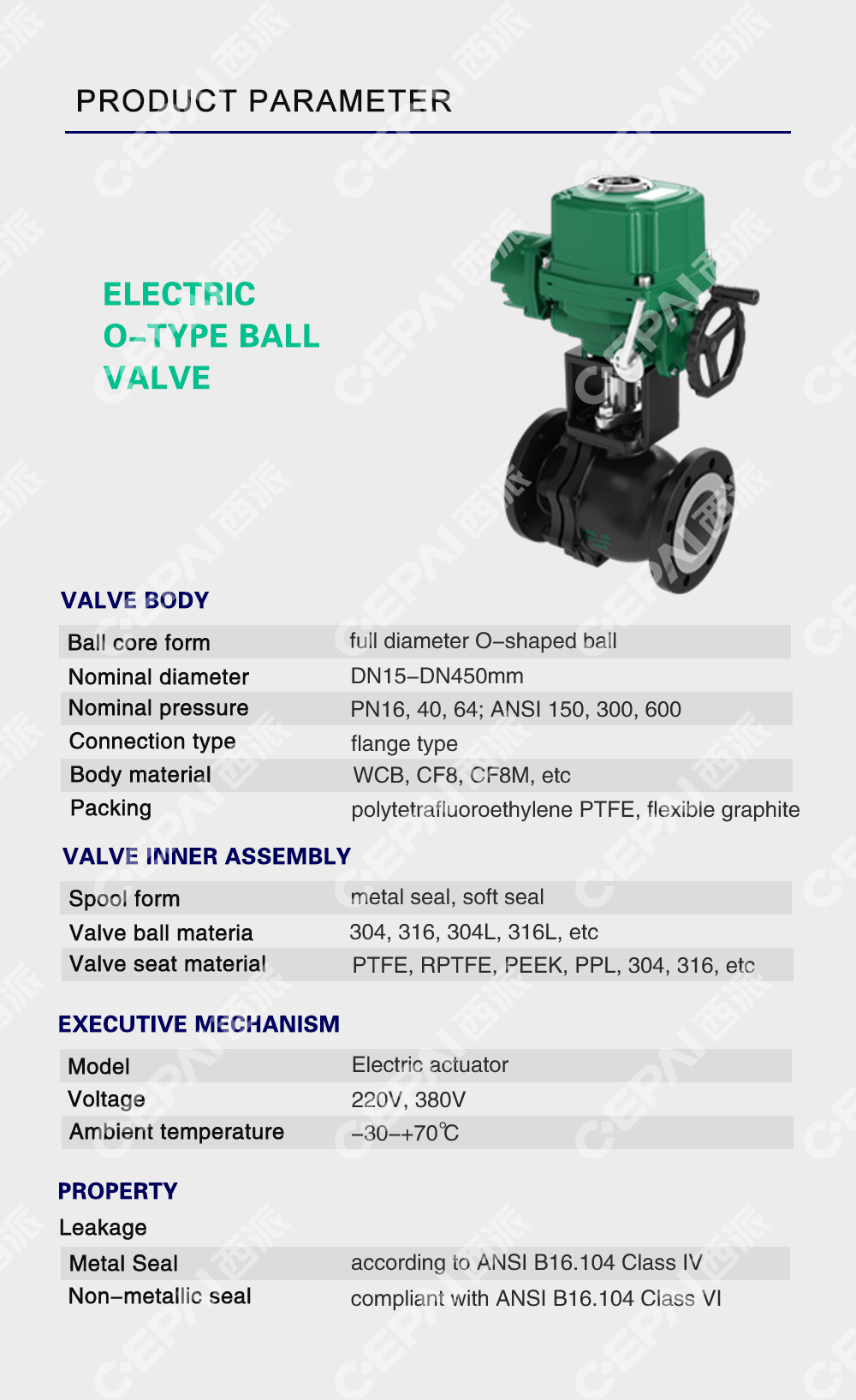
Electric ball valves use an electric motor to rotate a ball with a bore, adjusting flow by aligning or blocking the bore with the pipeline. They offer precise modulation (e.g., 0–100% opening) and handle high pressures and large flow rates. Ideal for applications needing gradual control, such as industrial process lines or water treatment, they work with various fluids, including gases, liquids, and slurries.
Solenoid valves rely on an electromagnet to actuate a plunger or diaphragm, typically operating in on/off modes (fully open/closed). They respond quickly to electrical signals but are less suited for precise flow adjustment. Best for low-pressure, small-scale uses like automotive systems, appliances, or pilot control, they excel with clean fluids (water, air) due to sensitive internal components.
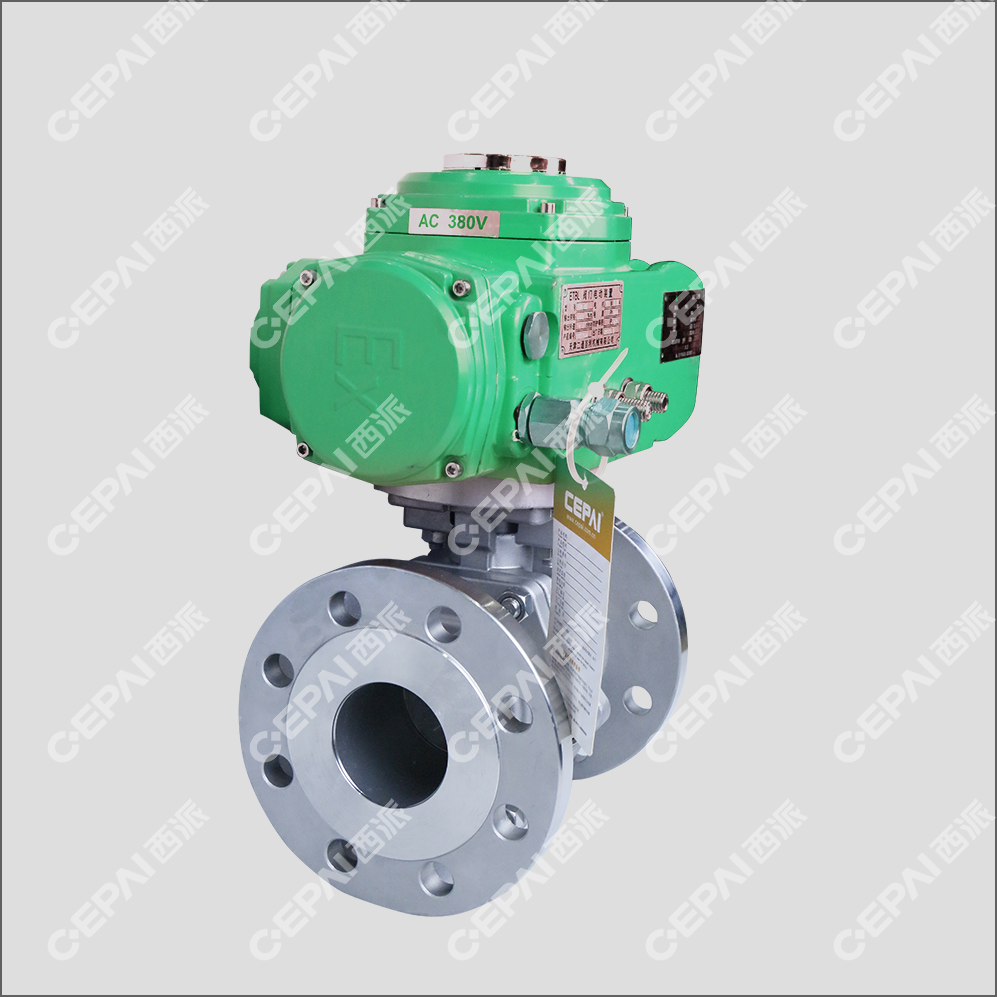
In short: Electric ball valves prioritize precision and versatility for heavy-duty, modulated control; solenoid valves focus on speed and simplicity for on/off tasks in lighter applications.