

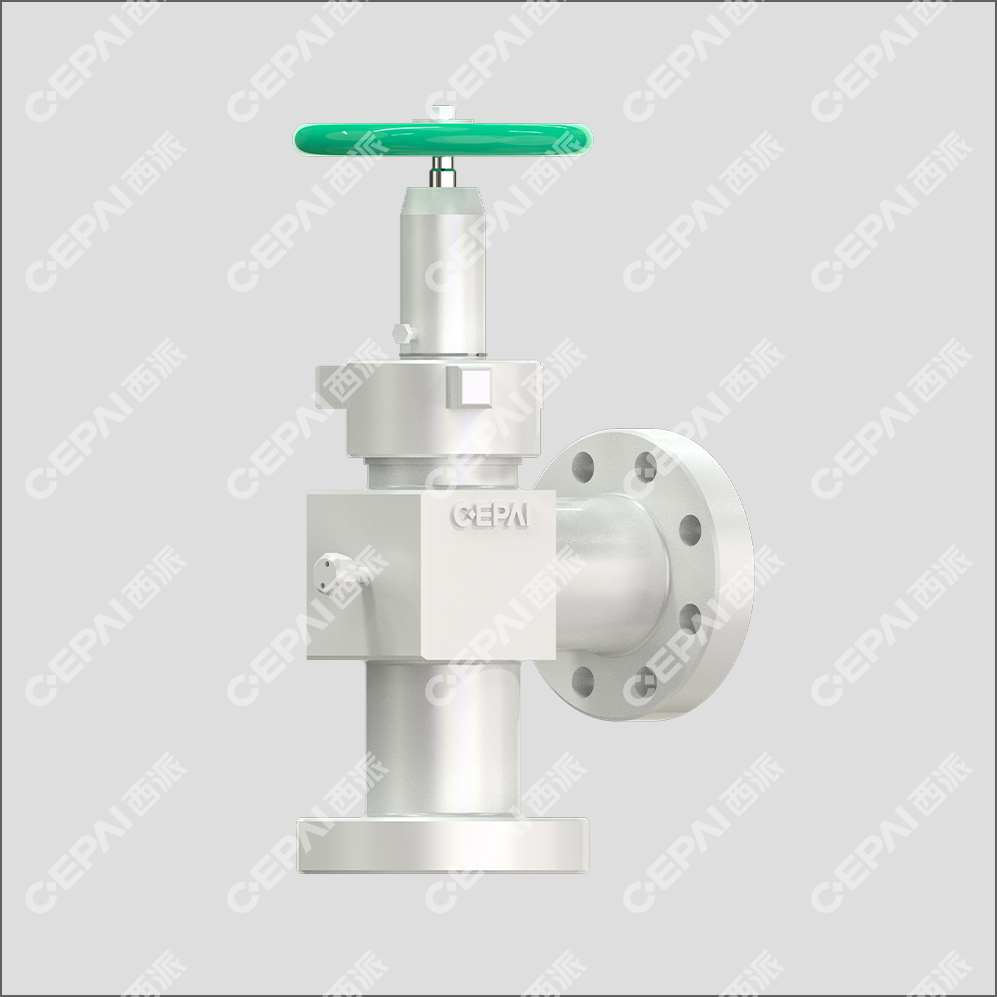
The needle type throttle valve is a precision flow control device designed to regulate fluid flow by adjusting a slender, needle-shaped plunger. Its unique structure makes it ideal for applications requiring fine-tuned flow control, pressure regulation, or precise metering in industrial systems.
Structure and Working Principle
The valve consists of a body, a needle-shaped plug (or stem), a valve seat, and an adjustment mechanism. The needle plug, with a tapered or rounded tip, moves linearly within the valve body when the handle or actuator is rotated. As the needle extends into the flow passage, it restricts the cross-sectional area, increasing flow resistance and reducing flow rate. This linear motion allows for incremental adjustments, enabling operators to achieve flow control with high precision (often within ±2% of the set value). For example, in laboratory equipment, the valve can regulate the flow of corrosive gases with minimal pressure drop, ensuring consistent experimental conditions.
Maintenance and Design Trends
Regular maintenance involves inspecting the needle tip and seat for wear, as prolonged use with abrasive media may affect sealing performance. Modern designs integrate anti-erosion coatings (e.g., tungsten carbide) on the needle surface to extend service life. Additionally, intelligent needle valves with built-in position sensors are emerging, enabling real-time flow monitoring and remote adjustment in automated processes.
In summary, the needle type throttle valve’s precision, durability, and versatility make it a cornerstone in applications where meticulous flow control is non-negotiable, ensuring optimal process efficiency and safety.