

The manual flat plate valve is a reliable and practical shut-off device widely used in industrial pipelines. Its design features a flat disc that moves linearly within the valve body, perpendicular to the flow direction, to open or close the passage. The simplicity of its structure makes it easy to operate and maintain, relying on a handwheel or lever connected to the valve stem for manual actuation.
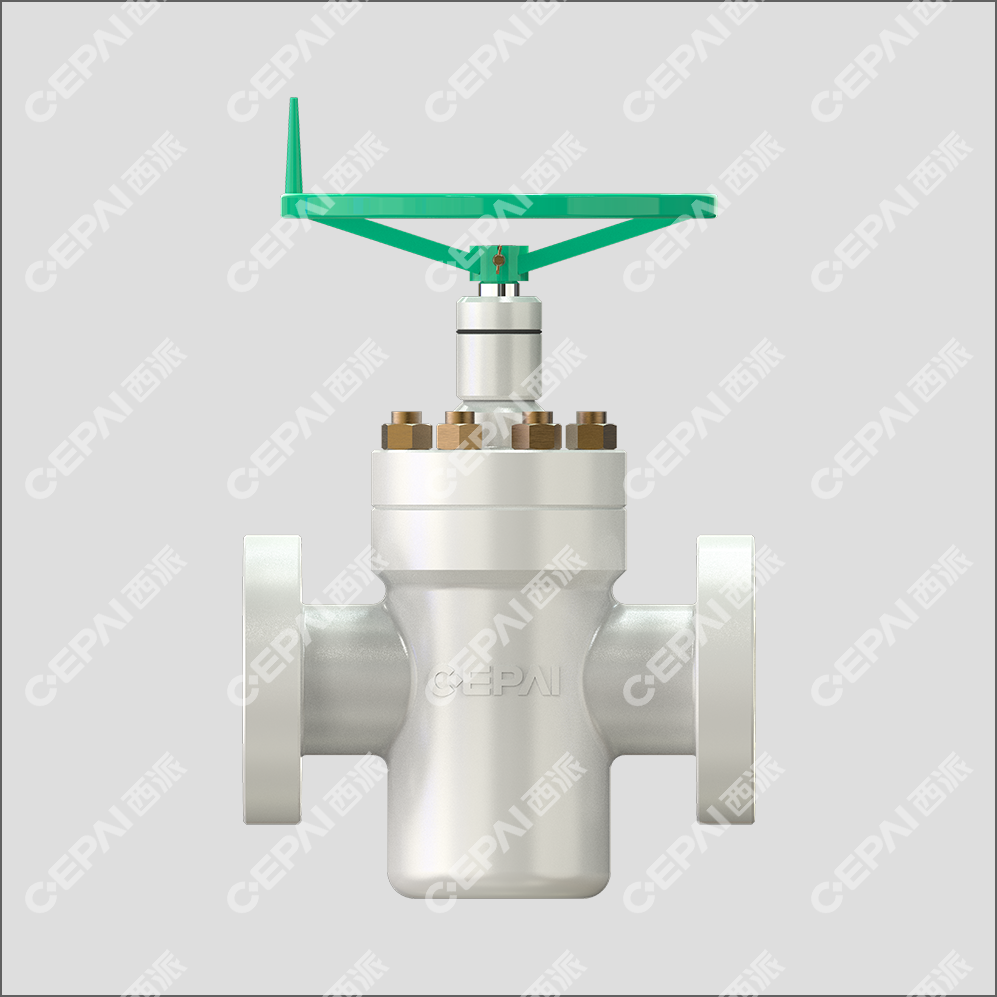
Constructed with robust materials such as carbon steel, stainless steel, or alloy steel, this valve can withstand high pressures and harsh working environments. The sealing mechanism typically consists of resilient seats on both sides of the disc, ensuring tight shut-off and preventing leakage. When the valve is in the closed position, the flat disc presses firmly against the seats, creating a reliable seal that is especially effective for handling abrasive, viscous, or particulate-laden media.
Manual flat plate valves are commonly found in oil and gas production, mining, and wastewater treatment industries. In oil fields, they are used to control the flow of crude oil and gas at wellheads and pipelines, enduring high-pressure and corrosive conditions. Their straightforward operation and rugged build make them a preferred choice for applications where automated control is unnecessary or impractical, providing a cost-effective and durable solution for fluid isolation and flow regulation.